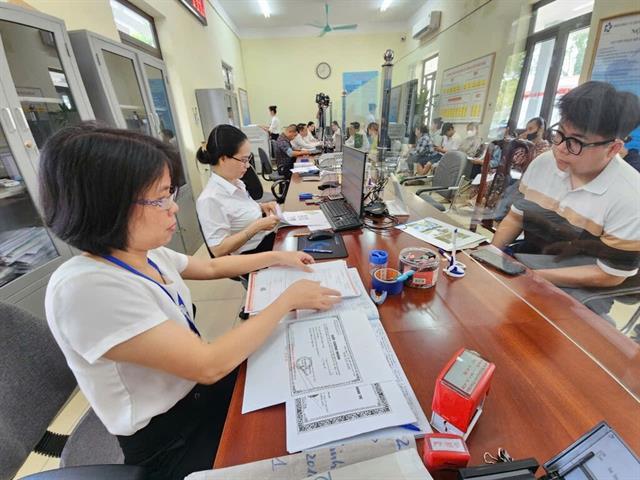


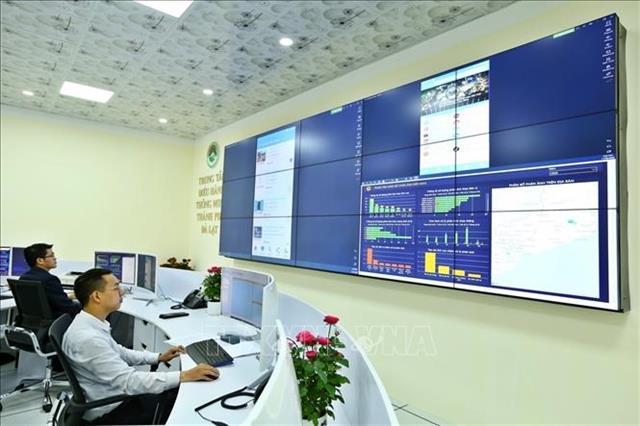

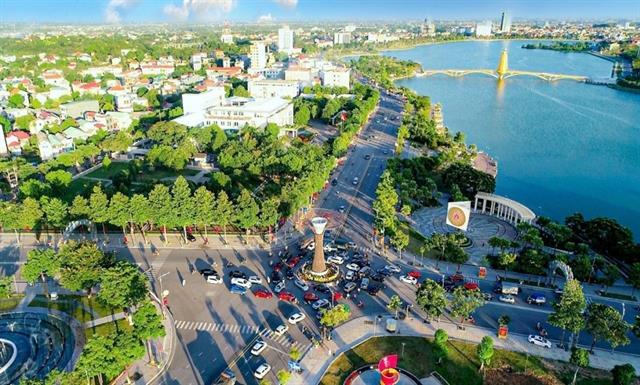
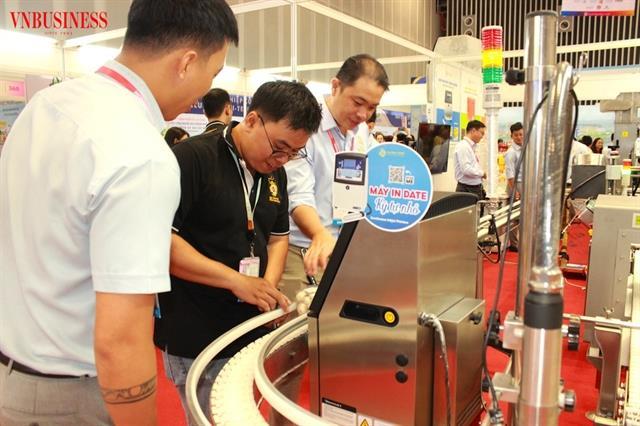



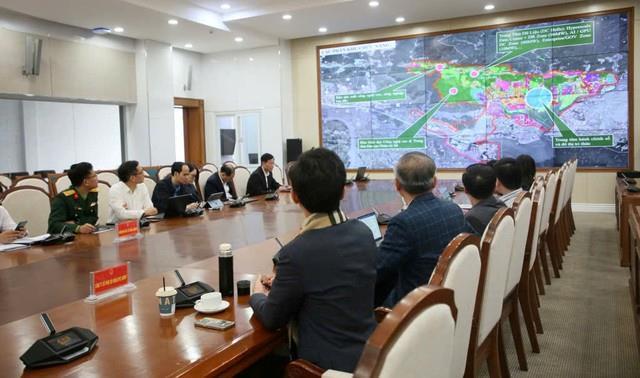
Over the past year, the capital has accelerated efforts to move beyond simply applying digital technologies towards adopting data-driven governance, laying the groundwork for faster, more sustainable economic development.
Ministries, sectors and local authorities will develop digital architectures suited to their respective functions, responsibilities and powers, while complying with common requirements for interoperability.
The province will support SMEs in assessing their level of digital transformation, developing digitalisation roadmaps and applying technology to management, finance, human resources, customer relations and supply chains.
Under Decision No. 3806/QĐ-UBND, issued by the municipal People''s Committee in late July, digitalisation has been identified as a key driver of economic growth and a pillar supporting the city''s target of achieving double-digit gross regional domestic product (GRDP) growth.
Phú Thọ must address longstanding internal constraints while implementing breakthrough measures to adapt to an increasingly uncertain economic environment to achieve double-digit growth in 2027.
A draft national AI strategy sets a goal of producing 250,000 GPUs, five Vietnamese-language AI models and at least 500,000 trained AI workers by 2030.
Businesses that have fully integrated ISO and ESG systems account for just 10-15 per cent of the total, and are mainly foreign-invested firms, large exporters and state-owned enterprises.
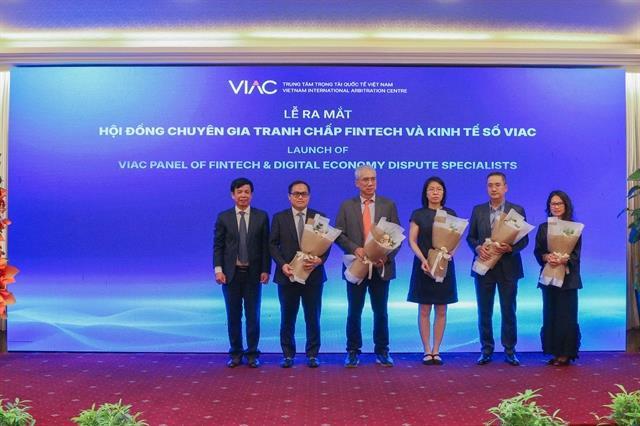
A transparent, predictable and internationally compatible dispute resolution framework, together with modern financial and technological infrastructure, is needed to boost investor confidence and support Việt Nam’s ambition of building a competitive international financial centre, experts have said.
According to the Vietnam Mobile Game Industry Report 2025 released by GameGeek, Vietnamese developers launched 27,388 new mobile games in 2025, up 13 per cent from a year earlier, ranking 33rd.
The Republic of Korea is currently Việt Nam’s largest foreign direct investor, with cumulative registered investment exceeding US$94 billion and more than 10,000 valid projects.
Once operational, the zone is expected to contribute 8-12 per cent of the province’s gross regional domestic product and between 150,000 and 250,000 high-quality jobs.